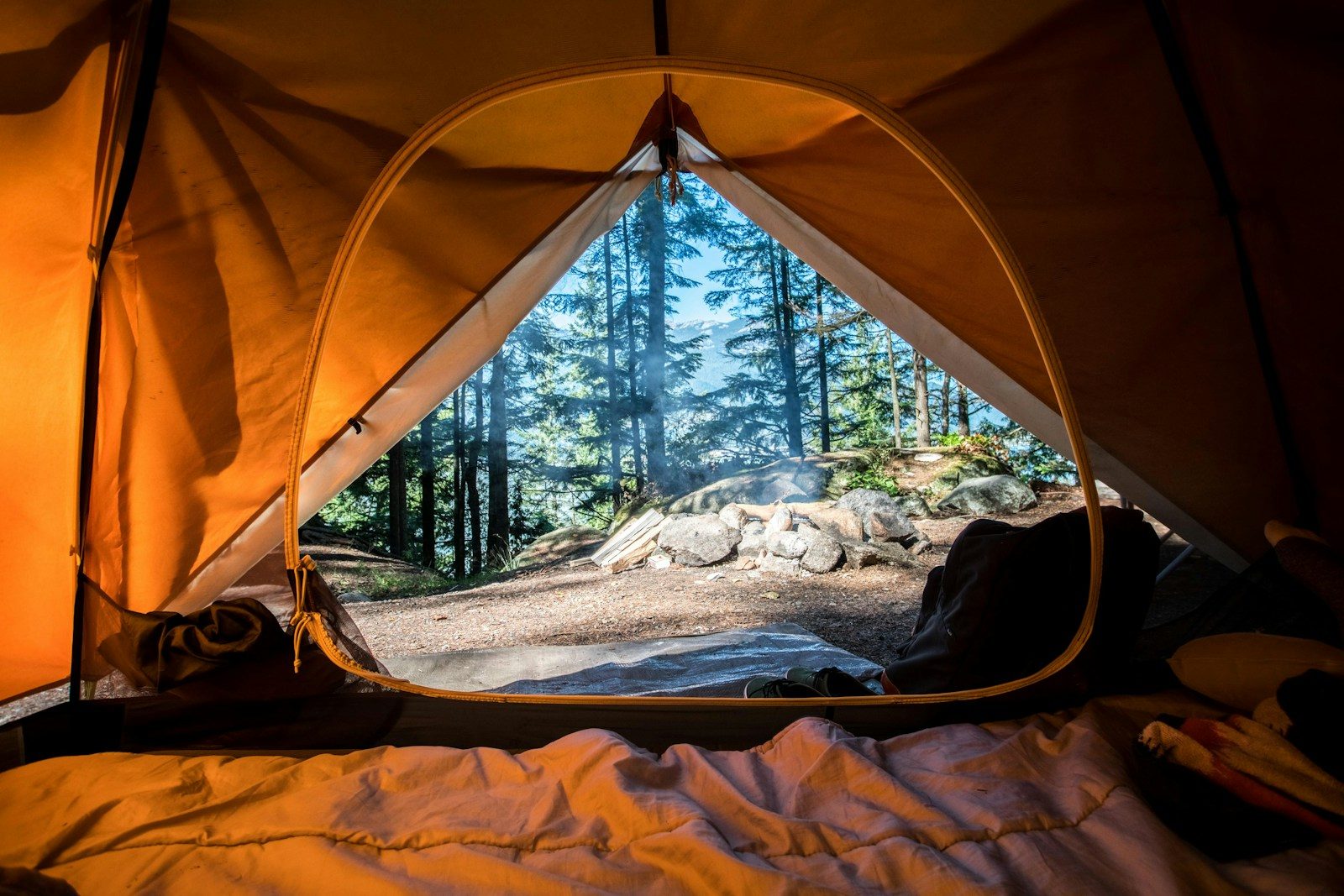



Some of the best camping gear tricks don’t come from fancy gadgets or expensive tools – they come from small changes you can make with things you probably already own. It’s little adjustments like repurposing household gear, organizing smarter, and prepping ahead that can be the difference between an amazing weekend outside and a miserable one.
Let’s face it, all it takes is wet socks, a leaking tent, dead phone battery, or a soggy sleeping bag to spoil the fun. But with a few creative hacks, you can keep your trip safe, light, and surprisingly comfortable. No matter if you camp in the car, backpack through the woods, or pitch a tent on hot, humid ground, these ideas will help you get the most from your setup. If you want field-tested reviews and more clever tricks, check out MyCozyTrove for real gear advice.
Make Your Own Lantern from a Water Bottle
A headlamp might be your go-to for camping, but it can be harsh and shine right into people’s faces. Instead, wrap your headlamp around a frosted or white water bottle filled with water. The light diffuses, turning it into a soft, hands-free lantern – perfect for inside your tent or around the picnic table. Keep a backup flashlight handy just in case, but avoid relying only on your smartphone flashlight, especially in emergencies.
Duct Tape: Wrap It for On-the-Go Repairs
Duct tape saves the day, but you don’t need to haul an entire roll. Wrap several feet around your water bottle, trekking pole, or lighter. If you tear your tent, bust a backpack strap, or need to reinforce something in a hurry, you’re ready. Mix in a few zip ties, safety pins, or a small multi-tool and you’ll have a lightweight, compact repair kit. Just remember – duct tape is temporary for structural fixes. Replace or repair gear properly when you can.
Trash Bags: Ultimate Waterproof Liners
Forget expensive dry bags – line your backpack with a heavy-duty trash bag before packing clothes or your sleeping bag. If rain sneaks in or your pack cover fails, your essential gear stays dry. Store wet or smelly clothes in another trash bag, and use extras as emergency ponchos, ground sheets, or to wrap up muddy gear. Choose tough contractor bags if you can; thin trash bags can rip easily.
Organize with a “First Out” Camp Setup Box
When you pull into camp in the dark or pouring rain, you need certain gear ASAP. Pack a small crate with just tent stakes, headlamps, rain jacket, mallet, rainfly, and groundsheet – plus your sleeping pad. Load this box last in your car, so it’s the first thing you can grab. For backpackers, pack these setup and safety essentials at the top or in outside pockets, ahead of food or extra clothes.
DIY Camp Pillow with a Pillowcase
A camping pillow is comfy, but it’s not always worth the space. Bring an empty pillowcase and stuff it with a jacket, fleece, or extra clothes at night. In the morning, those same layers become part of your outfit. For extra comfort, put a rolled towel or shirt under your neck. This doubles as clever gear organization – each item does more than one job.
Add Comfort with Foam Floor Tiles
Interlocking foam tiles are a surprising upgrade for your tent floor. They’re lightweight and insulate against cold ground or sharp rocks – especially nice for family camping or car camping. Place them under sleeping pads or in the tent’s “living space.” For backpackers worried about weight, just pack a single tile to use while changing shoes or kneeling at camp.
Take Spices in Tiny Containers
No one wants to drag full-size salt and pepper shakers on a hike. Put your favorite seasonings into tiny screw-top bottles, repurposed pill containers, or tic-tac boxes. Label them and keep in a sealed pouch, so a spill won’t ruin your gear. They add big flavor to oatmeal, pasta, eggs, or simple camp dinners. Remember, in wildlife areas, always store food tightly and away from your tent.
Waterproof Clothing Capsule for Emergencies
One complete change of dry clothes can be a lifesaver after a storm or creek crossing. Pack dry socks, underwear, a warm base layer, and an extra jacket in a small dry bag, and don’t touch them unless you really need to. When the weather turns ugly, you’ll be glad you have this “emergency only” kit – even if the rest of your clothes are wet.
High-Visibility Tent Guylines
Tripping over barely-there guylines in the dark is no fun. Tie short strips of bright tape, spare paracord, or reflective fabric on each guyline. Solar-powered fairy lights also work in car-camping sites. This small hack helps everyone see hazards – but still pick your tent spot away from unstable branches or low-lying ground to avoid bigger problems.
Portable Washing Machine with a Dry Bag
For long trips, fill a durable dry bag with water, soap, and dirty leggings or T-shirts. Seal it, shake, soak, and then rinse with clean water. Hang clothes with clothespins or on a guyline. Don’t dump soapy water near rivers or lakes – follow local rules. Clothespins also keep snack bags closed or lightweight items secure in strong wind.
Real Repair Kit: Customize for Your Gear
Every camper needs more than a multi-tool. Add a needle and thread, spare buckles, tiny scissors, patch kit, stove repair parts, extra laces, cable ties, and yes, more duct tape. Practice repairs before your trip – inflate your pad, pitch your tent, and check batteries. Knowing your gear works ahead of time is the best hack of all.
Simple Electronics Organization
Waterproof phone pouches are smart, but even ziplock bags keep your gear sorted and safe. Pack chargers, power banks, spare batteries, and your phone together in a sturdy bag. Download offline maps before you leave, bring paper maps and a compass as backup, and keep batteries away from metal objects to prevent accidental discharge.
Cooler Hacks to Keep Food Cold
Instead of fancy coolers, pack food by meal and keep items you use most on top. Freeze water bottles to use as ice blocks – once they melt, you have fresh water to drink. Separate meats from ready-to-eat food to avoid cross-contamination. Keep your cooler in the shade, and if possible, bring a separate small cooler just for drinks.
The Ten Essentials: Don’t Leave Home Without Them
Clever tricks are great, but the basics matter most. Always pack the Ten Essentials, including navigation, sun protection, extra layers, light, first aid, fire-starters, repair tools, food, water, and emergency shelter. Check the weather and campsite rules, let someone know your plans, and be realistic about distance from help.
Camping is about using what you have in smarter ways: a water bottle as a lantern, a trash bag as a rain shield, or a pillowcase as a makeshift pillow. With a little preparation and these practical hacks, you’ll be ready for whatever surprises nature throws your way – without carrying a truckload of extra gear.